
1G Biofuel & Ethanol Plant Solutions
Advanced Solutions for Sustainable 1G Ethanol Production
Spray Engineering Devices (SED) delivers integrated 1G ethanol plant solutions built on advanced process engineering, thermal optimisation, intelligent energy recovery, and sustainable manufacturing principles. Designed for grain-based, molasses-based, and multi-feed applications, our solutions help ethanol producers reduce utility consumption, improve operational efficiency, and lower carbon intensity while ensuring reliable production performance.
With expertise spanning process design, thermal systems, evaporation, distillation, bio-methanation, utility integration, equipment manufacturing, and project implementation, SED develops ethanol production facilities engineered for long-term efficiency, scalability, and sustainability

Industry Challenges in Conventional Ethanol Production
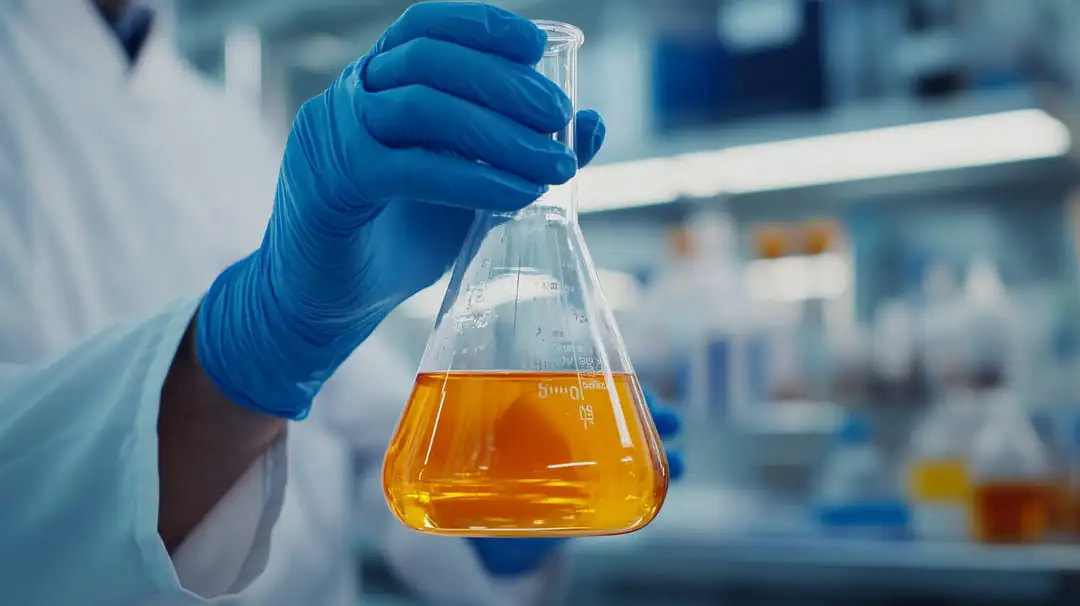
As ethanol production continues to expand, manufacturers face increasing pressure to improve efficiency while reducing operating costs, water consumption, and environmental impact.








Engineering Beyond Conventional EPC
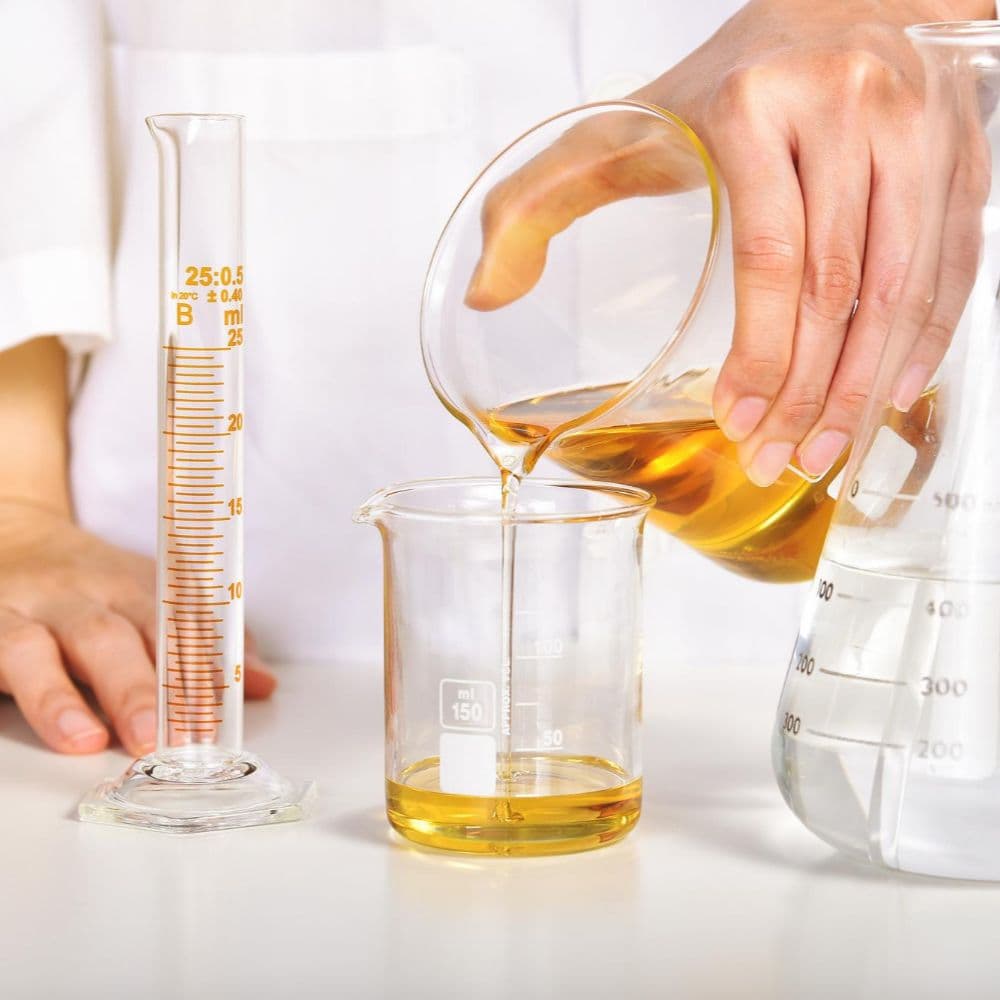
Successful ethanol plants depend not only on equipment selection but also on how effectively engineers integrate the entire process.
SED focuses on process optimisation from the earliest stages of plant design. We combine low ΔT engineering, advanced distillation technologies, vapor recovery systems, thermal integration, and intelligent utility management to create ethanol production facilities that deliver superior operational performance throughout their lifecycle.
Instead of optimising individual process sections in isolation, SED engineers the entire facility as an interconnected energy and resource management system. This approach lowers utility consumption, reduces operating costs, improves sustainability performance, and strengthens long-term operational reliability.
Advanced Distillation Technology
Distillation remains one of the most energy-intensive operations in ethanol production. SED engineers advanced packed distillation systems that minimise pressure losses while maximising separation efficiency and heat utilization. The result is improved thermal performance, lower utility consumption, and more efficient ethanol production.
Towards Low-Steam & Boiler-Free Operation
SED integrates Mechanical Vapor Recompression (MVR) technology as part of its broader energy optimisation strategy.
By recovering, compressing, and reusing process vapors, we significantly reduce fresh steam demand and help facilities move towards low-steam or near boiler-free operation under suitable operating conditions.
How the MVR Process Works
Vapor Recovery
SED captures process vapor generated during production and prepares it for reuse.
Vapor Compression
Mechanical compressors increase the vapor's pressure and thermal value.
Thermal Reuse
The system redirects compressed vapor to process heating applications.
Reduced Steam Dependency
The MVR system replaces a significant portion of conventional steam demand with recovered energy.
Integrated Thermal Engineering Platform
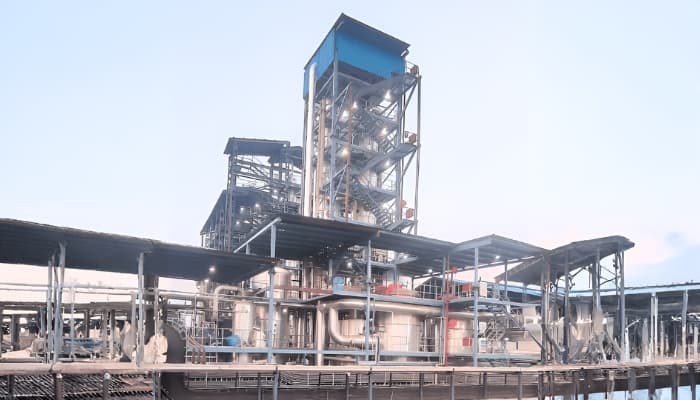
SED builds every ethanol plant solution around an integrated thermal engineering platform that maximises energy utilization throughout the production process. We combine:
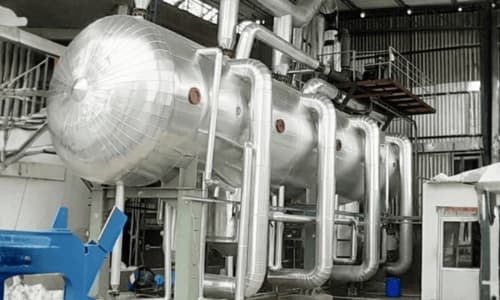
Advanced Heat Integration & Energy Recovery
SED reuses recovered thermal energy across multiple plant operations, including:
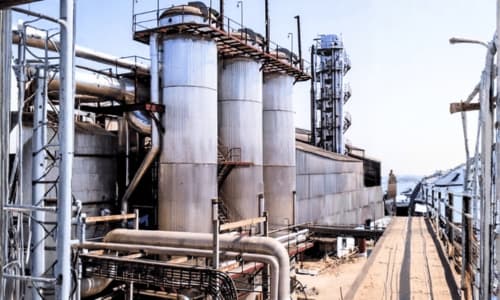
Low ΔT Evaporation Systems
SED engineers its evaporation systems to operate efficiently under low temperature differential conditions, enabling:
Integrated EPC Solutions for 1G Ethanol Plants
SED offers complete turnkey EPC solutions covering:



Bio-Methanation for Resource Recovery

Renewable energy generation
Reduced waste treatment burden
Improved resource utilisation
Additional value from process by-products

The Conversion Pathway
ZLD-Compatible Water Management Solutions
Efficient water utilisation is becoming increasingly important for modern ethanol production facilities. SED's solutions are designed with Zero Liquid Discharge (ZLD) compatibility to support sustainable water management and environmental compliance.

Digitalization, Safety & Compliance
SED integrates advanced automation and monitoring systems that improve process control, operational visibility, and plant safety.



End-to-End Project Delivery Capabilities
SED supports the complete lifecycle of ethanol plant development, from concept engineering and technology integration to manufacturing, implementation, commissioning, and performance optimization.
| Scope Area | Included Services |
|---|---|
| Process Engineering | Process flow, mass & energy balance, PFD/P&Piping and Instrumentation Diagram (P&ID) |
| Distillation Systems | Packed columns, stripping, rectification systems |
| MVR Integration | Vapor recovery and energy optimisation |
| Evaporation Systems | Low ΔT evaporators and multiple-effect systems |
| MSDH Systems | Fuel-grade ethanol dehydration |
| Bio-Methanation Systems | Spent wash treatment and biogas generation |
| Heat Recovery Systems | Heat exchangers and thermal integration |
| Utility Systems | Steam, cooling water, chilled water, nitrogen, and instrument air |
| ZLD-Compatible Systems | Water recovery and wastewater management |
| Equipment Manufacturing | In-house fabrication and quality assurance |
| Installation & Commissioning | Site erection, testing, and startup support |
| Performance Optimisation | Post-commissioning efficiency enhancement |
Engineering for Long-Term Operational Excellence
Frequently Asked Questions
1G Ethanol (First-Generation Ethanol) is ethanol produced from sugar- and starch-rich damaged foodgrains such as molasses, sugarcane juice, maize, and approved food grains through fermentation and distillation processes.
It converts fermentable sugars or starch into ethanol through fermentation, distillation, dehydration, and recovery processes.
Common feedstocks include maize, rice, damaged grains, molasses, sugar syrup, and other starch-rich agricultural materials.
Advanced heat integration, low ΔT engineering, and MVR systems recover and reuse thermal energy efficiently.
Energy recovery, water reuse, bio-methanation, and efficient process design help lower carbon emissions.