
Eliminating the Boiler: The Future of Energy-Efficient Ethanol Production
Spray Engineering Devices (SED) has pioneered the Boilerless Distillery concept for 1G, 2G ethanol plants by replacing conventional steam boilers with advanced Mechanical Vapor Recompression (MVR) systems. The technology enables efficient thermal management by capturing, compressing, and recycling process vapors as the primary heat source, eliminating the need for fresh steam generation. This reduces energy consumption, operating costs, and carbon emissions while improving overall plant efficiency.
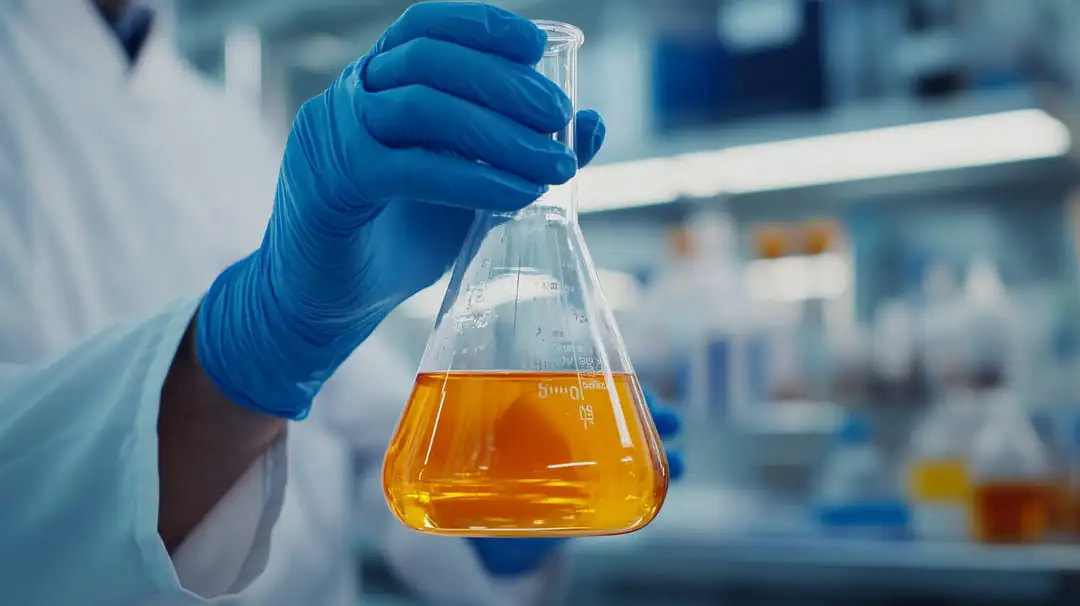

In conventional ethanol plants, boilers serve as the primary source of process heat for distillation, evaporation, and other thermal operations. While widely adopted, this approach creates significant operational and sustainability challenges:






SED has pioneered the Boilerless Distillery concept for both 1G and 2G ethanol plants by replacing conventional steam boilers with advanced MVR-based thermal recovery systems.
The concept is based on a simple but powerful principle: process vapor generated during distillation already contains valuable thermal energy. Instead of condensing and discarding that energy, SED's MVR technology captures the vapor, increases its temperature and pressure through mechanical recompression, and returns it to the process as a reusable heat source.
This creates a self-sustaining thermal cycle where the distillation system effectively becomes its own heat source, significantly reducing the need for external steam generation.
SED's Boilerless Distillery reflects our approach to engineering innovation. While we deliver complete project execution capabilities, our differentiation lies in developing integrated process technologies that improve long-term plant performance. The platform combines:
SED's Boilerless Distillery technology is applicable across a wide range of 1G ethanol facilities, including:
| Conventional Boiler Challenge | SED Boilerless Solution |
|---|---|
| High steam consumption | Steam requirement reduced to near zero through MVR heat recovery |
| Boiler fuel cost using coal, biomass, or gas | Replaced by efficient electrical power for MVR compressors |
| High GHG emissions from combustion | Reduced plant carbon footprint |
| Boiler maintenance, inspection, and certification | Eliminated boiler vessel dependency and boiler operator requirement |
| Boiler feed water treatment plant | Reduced make-up water requirement |
| Steam distribution heat losses | Vapor is generated and reused within the process itself |
| Long boiler startup time (2–4 hours) | MVR startup achieved within minutes |
| Regulatory burden involving Indian Boiler Regulations (IBR) compliance and CEI approvals | Simplified statutory compliance without conventional boiler systems |
In 2G ethanol production, biomass acts as the primary feedstock rather than a fuel source. SED's Boilerless 2G Distillery concept eliminates this conflict through integrated thermal recovery systems.
In 2G ethanol production from agricultural residues (bagasse, paddy straw, corn cob), the available biomass is the primary feedstock, not a fuel. Every kilogram of biomass burned in a boiler reduces the amount available for gasification and ethanol production. SED's Boilerless design resolves this fundamental conflict.
Integrated Thermal Recovery Flow
Biomass Gasification
Heat Recovery from Syngas CoolingFermentation
Heat Evacuation via MVRMVR Distillation
Overhead Vapor Recovered & RecompressedCondensate from Bagasse Drying
Treated & Recycled to ProcessWastewater Treatment
Biogas Recovered for Supplementary HeatCOMPLETE BOILER-FREE OPERATION
SED recovers thermal energy generated during syngas cooling and reintegrates it into the process, reducing overall heating demand. Integrations include:
Conventional fermentation systems reject heat through dedicated cooling water systems and cooling towers. SED integrates MVR heat pumps to recover and productively utilize fermentation heat.
Benefits of MVR in distillation systems include:
SED's proprietary MVR-based vacuum distillation system is the heart of the 2G Boilerless Distillery. The system is designed specifically to handle the dilute ethanol broth output from gaseous fermentation:
Bagasse drying generates huge quantities of high-temperature process condensate. SED's process design recovers and reuses this condensate after treatment, rather than treating it as a wastewater stream. The system enables:
A Boilerless Distillery uses Mechanical Vapor Recompression (MVR) to recover and reuse distillation vapor as process heat, eliminating conventional steam boiler dependency.
MVR compresses low-pressure process vapor to increase its temperature and pressure, allowing it to function as a reboiler heat source with near-zero fresh steam requirement.
The system replaces coal, bagasse, biomass, or gas-fired boilers with electrically driven vapor recompression, reducing fuel, cooling water, and boiler maintenance costs.
In 2G ethanol plants, biomass is the primary feedstock. Boilerless operation ensures maximum biomass availability for gasification and ethanol production instead of combustion.