
Transforming Biomass into the Building Blocks of a Low-Carbon Future
As global industries move toward low-carbon fuels, circular carbon systems, and waste-to-energy infrastructure, gasification has emerged as one of the most important process technologies shaping the future of sustainable energy. Spray Engineering Devices (SED) delivers complete Biomass Gasification Solutions across all major technology routes: Air-Blown Gasification, Oxygen-Enriched Gasification, and Electric / Plasma Gasification.
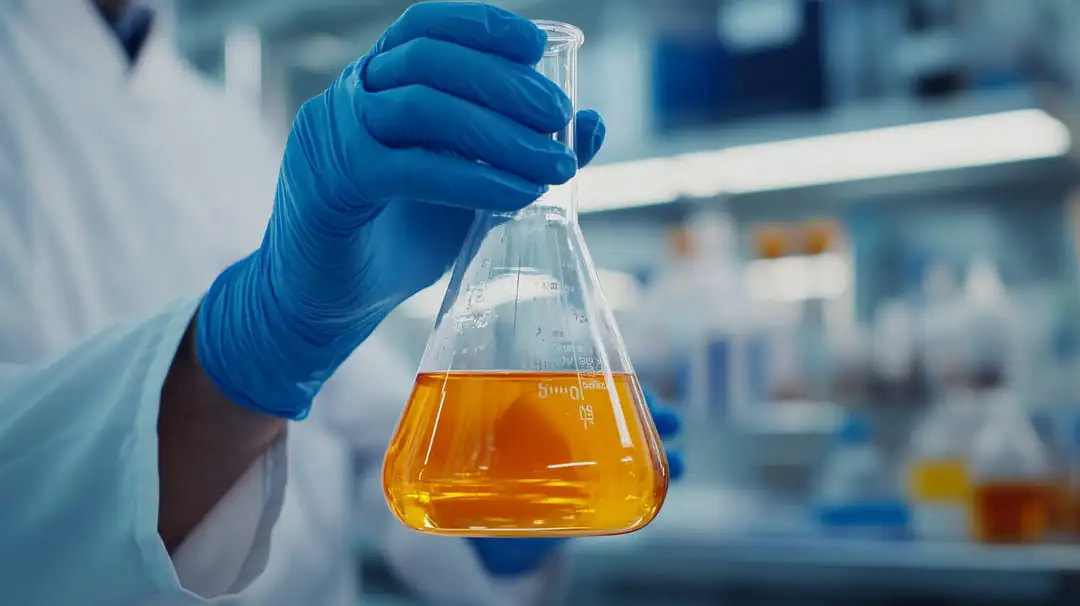
Biomass Gasification is the thermochemical conversion of carbonaceous materials under controlled conditions using air, oxygen, steam, CO₂, or electrically generated heat. The process transforms agricultural residues, biomass waste, and industrial organic materials into valuable syngas suitable for multiple downstream applications.
Typical feedstocks include:
The gasification process includes:
Biomass contains significant untapped carbon and energy potential. Conventional approaches often underutilize this resource or convert it into lower-value products. Gasification transforms biomass into a versatile syngas rich in carbon monoxide (CO) and hydrogen (H₂), creating a flexible platform for producing fuels, chemicals, power, and renewable energy carriers.
The technology enables industries to move beyond waste management and toward resource optimization, turning agricultural residues and organic waste into valuable feedstocks for the low-carbon economy.
Feedstocks include:
SED offers one of the industry's most comprehensive gasification portfolios, enabling clients to select the technology route best aligned with their commercial and technical objectives.
Air-Blown Gasification is the most commercially established gasification route globally. Atmospheric air is used as the gasification and oxidation agent, creating a robust and highly versatile system suitable for multiple biomass feedstocks and industrial applications.
Features
Applications
Oxygen-Enriched Gasification replaces atmospheric air with oxygen-enriched gas streams produced through Vacuum Pressure Swing Adsorption (VPSA) oxygen systems. By reducing nitrogen dilution, the process delivers higher-quality syngas with significantly increased CO and H₂ concentration. This route is particularly effective for advanced biofuel pathways and high-efficiency gaseous fermentation systems.
Features
Applications
Electric Gasification represents the next generation of ultra-low-carbon gasification technology. Unlike combustion-driven systems, electric and plasma gasification utilise electrical energy as the primary heat source.
Plasma Gasification uses electrically generated plasma torches operating at temperatures between 3,000°C and 10,000°C to decompose biomass and waste feedstocks completely.
Advantages
Electrically heated systems use resistance or induction heating to maintain process temperatures between 900°C and 1,400°C.
Advantages
Applications
SED provides complete EPC execution across all gasification routes, including:
Gasification involves high-temperature thermochemical conversion and combustible syngas streams containing CO and H₂. SED incorporates comprehensive automation and safety systems across every installation. Systems include:









Biomass Gasification Solutions convert agricultural residues, biomass waste, or organic materials into syngas containing CO and H₂ for fuel, power, hydrogen, and chemical production.
Common feedstocks include bagasse, paddy straw, corn cob, rice husk, wood waste, MSW, and industrial organic waste.
Air-blown systems use atmospheric air, while oxygen-enriched systems use higher oxygen concentrations to produce cleaner, higher-calorific syngas.
Electric and plasma gasification are used for green hydrogen, SAF, advanced ethanol, industrial waste processing, and ultra-clean syngas production.