
Transforming Carbon Emissions into Sustainable Fuels
Spray Engineering Devices (SED) is a key technology contributor to India's first 4G Ethanol Technology Plant, a pioneering collaboration with Jakson Green, located at NTPC Green. The project utilises LanzaTech's proven gaseous fermentation technology to convert captured carbon dioxide (CO₂) and green hydrogen (H₂) into sustainable, low-carbon biofuel.
SED contributes its proprietary expertise in distillation and dehydration systems. It transforms fermentation output into high-purity anhydrous ethanol suitable for fuel blending, Sustainable Aviation Fuel (SAF), and green chemical applications.
This initiative represents a major advancement in India's industrial decarbonisation journey, demonstrating how captured industrial emissions can be directly converted into clean, high-value fuel while supporting long-term energy security and next-generation biofuel innovation.
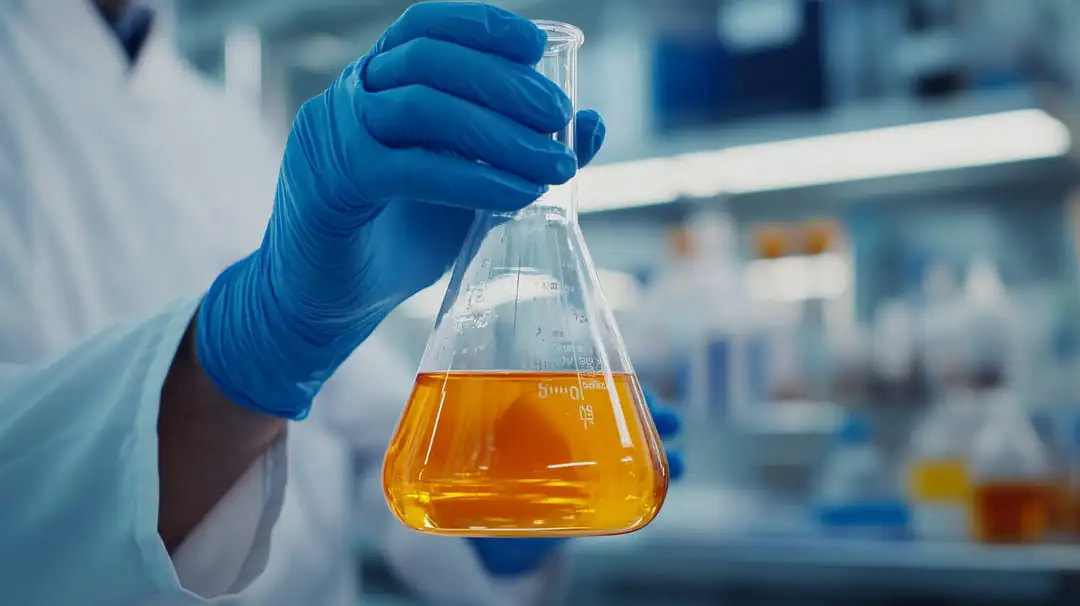
4G ethanol represents an emerging generation of low-carbon fuel technology that converts captured carbon dioxide (CO₂) and green hydrogen into renewable ethanol. Unlike conventional ethanol pathways that rely on agricultural feedstocks, this approach utilizes industrial carbon emissions and renewable energy to produce sustainable fuel while supporting decarbonization goals. By transforming waste carbon into a valuable resource, 4G ethanol creates a pathway toward carbon-neutral and potentially carbon-negative fuel production, supporting the future of sustainable transportation, aviation, and green chemicals.
| Generation | Feedstock | Key Characteristic |
|---|---|---|
| 1G Ethanol | Grains, Molasses, Sugarcane Juice | Food-based, commercially established, high-yielding |
| 2G Ethanol | Agricultural Residues (Bagasse, Straw, Corn Cobs) | Lignocellulosic biomass with near-zero waste generation |
| 3G Ethanol | Algae & Microorganisms | High-growth aquatic feedstock systems |
| 4G Ethanol | Captured CO₂ + Green Hydrogen | Carbon-negative pathway with no land or food dependency |
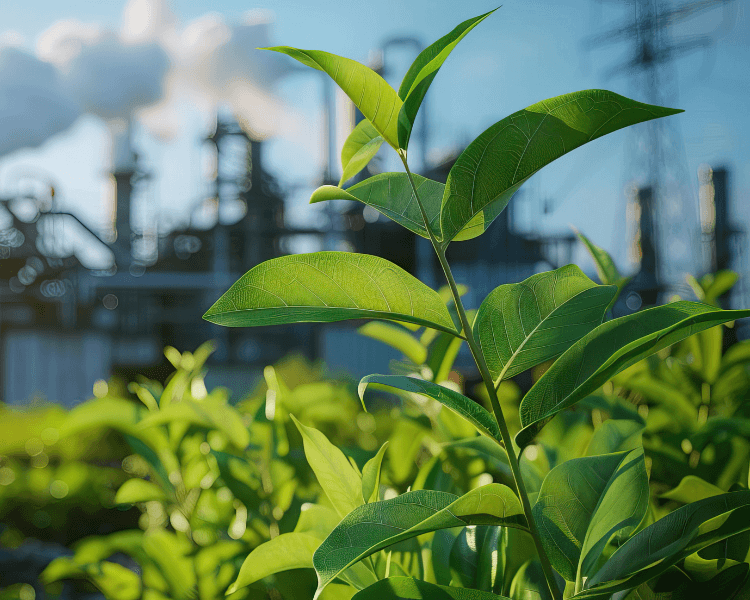
The global biofuel industry faces increasing sustainability, economic, and regulatory pressures that conventional ethanol technologies cannot fully address. 4G ethanol directly addresses these challenges by converting industrial emissions into ultra-low-carbon fuel.







SED contributes advanced engineering and proprietary process expertise to the critical downstream stages of 4G ethanol production. Our integrated technology platform focuses on maximizing ethanol recovery, improving energy efficiency, and ensuring reliable plant performance.
| Process Area | SED Scope |
|---|---|
Distillation Systems | Separation and concentration of ethanol from fermentation broth |
Molecular Sieve Dehydration (MSDH) | Production of 99.9% pure anhydrous ethanol |
Heat Recovery & MVR Integration | Reduced steam consumption and energy optimisation |
Product Storage & Handling | Ethanol storage, transfer, and dispatch systems |
Utility & Auxiliary Systems | Integrated support systems for plant operations |
Start-up & Commissioning | Testing, stabilisation, and performance optimisation |
The 4G ethanol value chain transforms captured carbon emissions into renewable fuel through a series of integrated process steps:
Industrial CO₂ emissions are captured and purified for downstream processing rather than being released into the atmosphere.
Renewable electricity powers electrolysis systems to generate green hydrogen, creating a zero-carbon feedstock for ethanol production.
The CO₂ and hydrogen streams are treated, blended, and conditioned to meet fermentation requirements.
LanzaTech's proprietary bioreactor converts CO₂ and hydrogen into ethanol using specialized microorganisms.
SED's advanced distillation and dehydration systems concentrate and purify the fermentation output to produce 99.9% anhydrous ethanol.
The finished ethanol can support fuel blending, Sustainable Aviation Fuel production, and green chemical manufacturing.
Captured industrial CO₂ and green hydrogen are combined and conditioned for downstream processing.
LanzaTech's proprietary bioreactor converts CO₂ and hydrogen into ethanol using specialized microorganisms.
SED's advanced distillation and molecular sieve systems purify the fermentation output to 99.9% anhydrous ethanol.
The finished ethanol supports fuel blending, Sustainable Aviation Fuel production, and green chemical manufacturing.
The integrated process flow covers the complete value chain from industrial carbon capture and green hydrogen generation through gaseous fermentation and downstream ethanol purification to final application sectors, including transportation fuel, SAF, and green chemicals.
It is a versatile ultra-low-carbon product with multiple industrial and energy-sector applications.
Ethanol-to-Jet (ATJ) pathway
Petrol blending for transportation
Feedstock for chemical synthesis
High-purity industrial ethanol applications
SED's distillation and utility systems are designed with ZLD-compatible infrastructure to support sustainable water management and regulatory compliance.
ZLD benefits include:
We deliver complete EPC solutions for its distillation, dehydration, and utility scope within the 4G ethanol facility.
| EPC Scope Area | Included Services |
|---|---|
Process Design & Engineering | Process Flow Diagram (PFD), P&IDs, mass & energy balance development |
Distillation Systems | Beer stripping, rectification, finishing, and packed columns |
Molecular Sieve Dehydration (MSDH) | 99.9% anhydrous ethanol production systems |
Equipment Manufacturing | In-house fabrication, Quality Assurance/Quality Control (QA/QC), Factory Acceptance Test (FAT) |
Installation & Commissioning | Site erection, pre-commissioning, testing, start-up |
Performance Optimisation | Yield enhancement and operational efficiency tuning |
4G ethanol represents a new chapter in sustainable fuel production, one where industrial emissions become valuable resources and renewable energy drives fuel creation.
Through advanced engineering, energy-efficient technologies, and a commitment to innovation, SED is helping accelerate the transition toward low-carbon fuels, industrial decarbonization, and a more sustainable energy future.
4G ethanol is a next-generation ethanol technology that converts captured CO₂ and green hydrogen into renewable fuel, enabling low-carbon and carbon-circular ethanol production.
1G ethanol uses food crops, while 2G ethanol uses agricultural residues. 4G ethanol uses captured carbon emissions and renewable hydrogen, making it a more sustainable and low-carbon fuel pathway.
A 4G Ethanol Plant captures industrial CO₂, combines it with green hydrogen, converts it into ethanol through gaseous fermentation, and purifies the ethanol using distillation and dehydration systems.
Yes. 4G ethanol can be used in Alcohol-to-Jet (ATJ) pathways for Sustainable Aviation Fuel (SAF), supporting lower aviation emissions and net-zero targets.
SED's distillation and Molecular Sieve Dehydration (MSDH) systems produce up to 99.9% pure anhydrous ethanol suitable for blending, SAF, and industrial applications.