

Successful Commissioning and Operation of a Zero Liquid Discharge (ZLD) Plant
● Client: Pidilite Industries Limited
● Location: Paria, Valsad, Gujarat, India
● Technology Provider: Spray Engineering Devices Limited (SED)
Pidilite Industries Limited is one of India's leading manufacturers of adhesives, construction chemicals, specialty chemicals, consumer and maintenance products. Its prominent brands include Fevicol, Dr. Fixit, M-Seal, Roff, Fevikwik and Araldite.
With a focus on responsible water management, the company undertook wastewater recycling initiatives to recover process water and reduce freshwater consumption in its manufacturing operations.
The manufacturing process generated wastewater with high dissolved salt content, making direct discharge difficult.
Conventional biological and primary treatment systems could not adequately reduce the salt load. Discharge restrictions and regulatory requirements further increased the need for an effective wastewater treatment solution.
The key challenges included:
● High TDS: Wastewater contained 15,000 ppm of Total Dissolved Solids (TDS).
● Discharge Restrictions: High salinity limited direct discharge into surface water bodies or sewers.
● Regulatory Compliance: Stringent pollution control requirements called for a Zero Liquid Discharge solution.
● Water Recovery: The facility needed to recover treated water for reuse and reduce freshwater consumption.
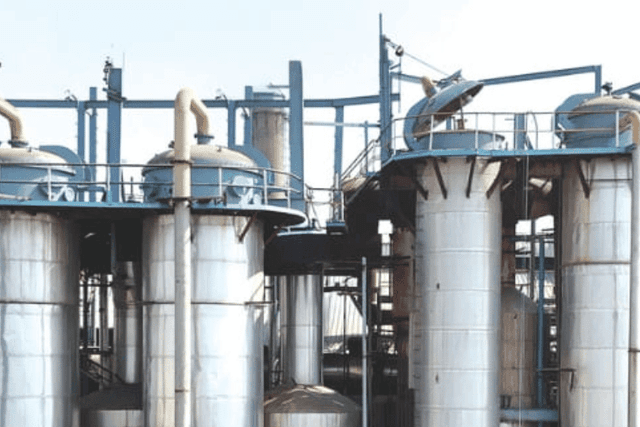
SED implemented an MVR-based Low Temperature Evaporator (LTE®) system, an advanced industrial MVR evaporator solution, integrated with a drying stage to achieve Zero Liquid Discharge.
The technology uses Mechanical Vapour Recompression (MVR) to recover and reuse the heat contained in generated vapour, reducing the need for external heating.
The process involves five key stages:
Low-Temperature Evaporation: Wastewater is heated under vacuum at approximately 60°C to initiate evaporation.
Vapour Recompression: Generated water vapour is captured and mechanically compressed using an MVR fan/compressor.
Heat Reuse: The compressed vapour's heat is reused to continue the evaporation process, minimising external energy requirements.
Condensate Recovery: The evaporated water is collected as condensate for reuse within the facility.
Final Drying: The concentrated wastewater from the LTE® is sent to a tray dryer to remove the remaining moisture and achieve complete ZLD.
The MVR-based LTE® system enabled continuous treatment of high-TDS wastewater with the following reported results:
● Above 95% condensate recovery for reuse.
● Below 100 ppm TDS in recovered condensate.
● Below 100 ppm COD in recovered condensate.
● Condensate pH of 7–8.
● 35% LTE® reject sent to the tray dryer for further treatment.
● 18 kW/m³ power consumption, as reported in the project data.
● 24-hour operation for continuous wastewater treatment.
The integrated evaporation and drying process achieved complete Zero Liquid Discharge, converting the remaining wastewater concentrate into dry solids for disposal.
Parameter | Specification |
Plant capacity | 24 KLD |
Plant configuration | 5 plants at different locations |
Feed flow rate | 1 m³/hr |
Inlet feed | Process wastewater |
Operating hours | 24 hours |
Feed pH | 7.45 |
Feed TDS | 15,000 ppm |
Feed COD | 250 ppm |
Feed BOD | 100 ppm |
Evaporation temperature | Approximately 60°C |
Condensate recovery | Above 95% |
Condensate TDS | Below 100 ppm |
Condensate COD | Below 100 ppm |
Condensate pH | 7-8 |
Power consumption | 18 kW/m³ |
Steam requirement | 50 kg/hr for 2-3 hours only |
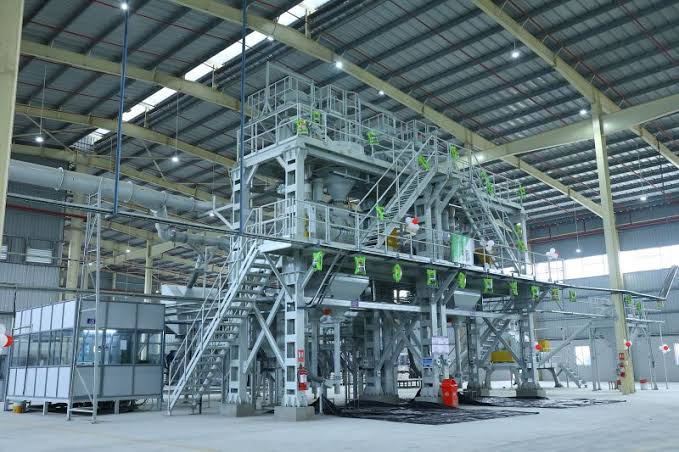 Pidilite Industries Limited, Gujarat
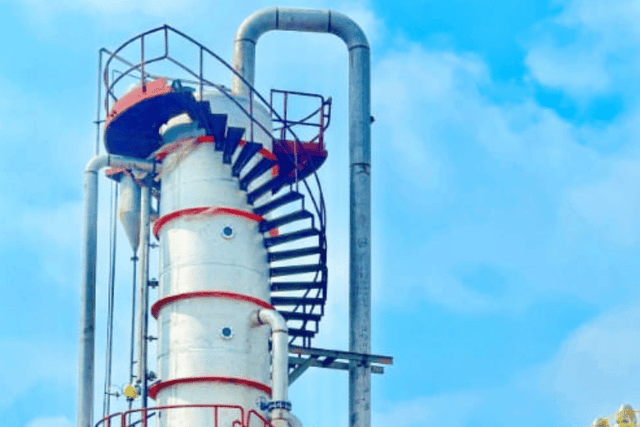 TATA Chemicals Ltd.
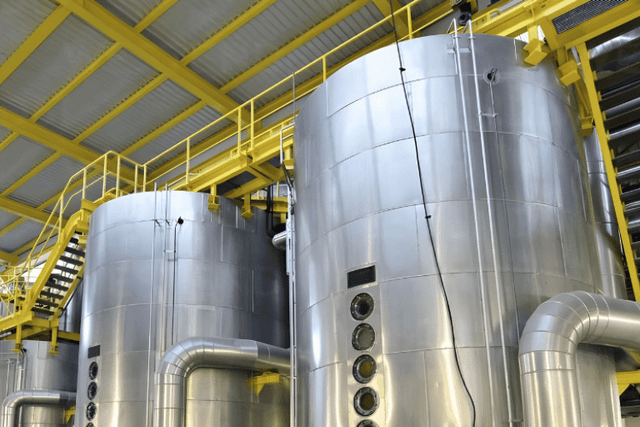 Shri Dutt India, Kandla, Gujarat
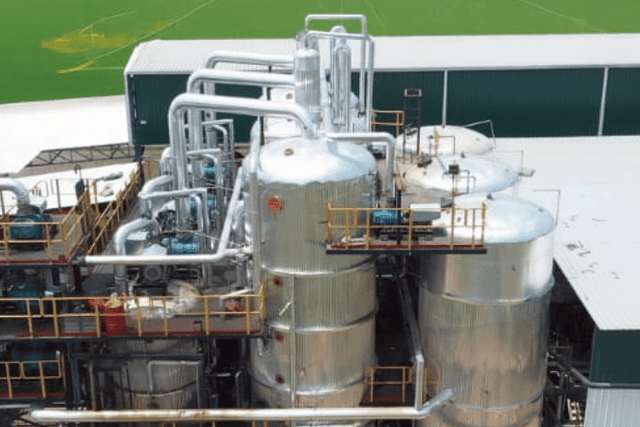 Eco Tech Agro
 The Turnaround Story


